
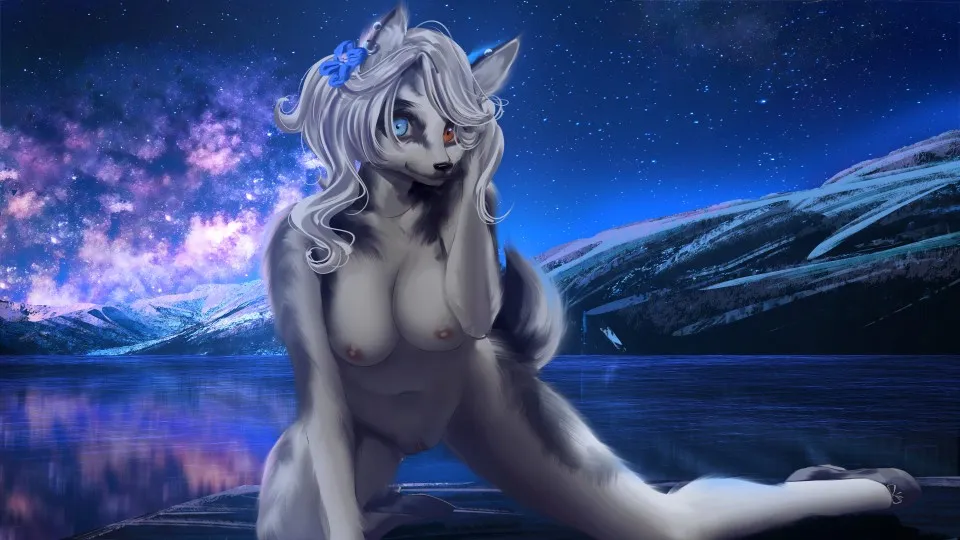
If you spend enough time around furry spaces online, you start to notice that trends rarely arrive with a big announcement. Things just… drift. A new art style becomes popular. A new platform gets talked about. A new tool shows up in people’s workflow without anyone officially declaring that it matters.
Artificial intelligence seems to be following that same pattern.
At first, it felt like something experimental. A novelty people would try once or twice and then move on from. But over time, more users started treating generation tools as part of their normal creative routine. Not because the results were perfect, but because they made it easier to explore ideas that used to stay stuck in someone’s imagination.
That’s one reason conversations around visual experimentation and furry porn creation have gradually become more common. The technology doesn’t just give people more content to look at. It changes how they interact with fantasy in the first place.
From Waiting to Experimenting
For years, a lot of furry fans relied on browsing galleries or commissioning artwork to see their character concepts come to life. That process could be rewarding, but it also involved patience. Sometimes ideas sat unfinished for months simply because translating them into images took time.
AI tools don’t remove effort entirely, but they change the timeline.
Instead of refining one concept endlessly, users can test multiple versions in a single evening. They might adjust species traits, lighting, or emotional tone just to see how the overall feeling shifts. Some experiments work. Others don’t. Either way, the process itself becomes part of the appeal.
In discussions about furry porn, people often describe generation as something closer to sketching than producing. You try ideas quickly. You keep the ones that resonate. You forget the rest and move on.
That flexibility makes fantasy feel more immediate — less like something you wait for and more like something you actively shape.
Creativity Feels More Personal
There’s also a quieter emotional change happening underneath all of this. Traditional adult media is usually shared media. You consume what someone else has decided to create. AI generation flips that dynamic in subtle ways.
You set the direction.
You decide when something feels finished.
You stop when curiosity fades.
Because furry characters are fictional by nature, the experience can feel removed from real-world expectations. For some users, that distance makes creative exploration more comfortable. It becomes less about comparison and more about storytelling or mood.
That’s one reason generative tools sometimes feel more like creative sandboxes than entertainment feeds.
Community Still Shapes the Culture
Even though the process can be private, furry fandom remains deeply social. Ideas spread quickly. A new character variation or prompt technique can inspire dozens of reinterpretations within days. Trends appear, burn bright, and then get replaced by something unexpected.
Artificial intelligence hasn’t changed that collaborative energy. If anything, it has sped it up. People share experiments, refine each other’s concepts, and develop new visual languages together.
The technology becomes another medium for community interaction rather than a replacement for it.
Fiction Keeps the Boundaries Clear
As synthetic media becomes more visible across the internet, discussions about ethics have become harder to ignore. One distinction that often comes up is the difference between fictional creation and the imitation of real people.
Deepfake content can cause real harm when it uses someone’s likeness without consent. Furry imagery tends to operate in a more symbolic space. Characters are invented, stylised, and deliberately removed from real identities. For many fans, that separation makes experimentation feel less complicated.
Fantasy stays fictional.
That clarity matters more than it might seem.
Nobody Really Knows Where This Leads
It’s tempting to treat AI as either a passing phase or an inevitable future. The reality is probably somewhere in between. Tools evolve. Communities adapt. What feels groundbreaking now might eventually become routine.
What seems consistent is the motivation behind the experimentation. People want ways to visualise their ideas quickly. They want creative control without needing advanced technical skills. They want environments where imagination can shift direction without pressure.
Artificial intelligence happens to offer that kind of flexibility right now.
Whether it becomes central to furry culture or simply another step in its evolution will depend less on the software itself and more on how fans choose to use it. For the moment, the change feels gradual — noticeable mainly to those already involved.
And once someone gets used to shaping fantasy directly, older habits like endless browsing can start to feel surprisingly distant.